Best DIY Projects: Homemade Peanut Butter, Yogurt Dog Treats (Human Treats, too!)

Thumb

0 repins 0 comments

Churro Bites - these are unbelievably delicious!!

Thumb

0 repins 0 comments

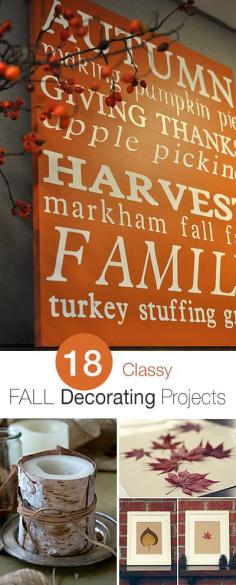
18 Classy Fall Decorating Projects • Tons of great Ideas and Tutorials! • Make sure you check out both part 1 and part 2!

Thumb

0 repins 0 comments

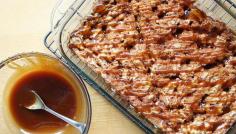
Toffee Blondies with Whiskey-Caramel Sauce #whiskey #caramel #dessert #toffee

Thumb

0 repins 0 comments

Thai Chicken Naan Pizza Recipe with Peanut Sauce, Red Pepper and Carrots...Always a hit! | cookincanuck.com

Thumb

0 repins 0 comments

seafood_pack

Thumb

0 repins 0 comments

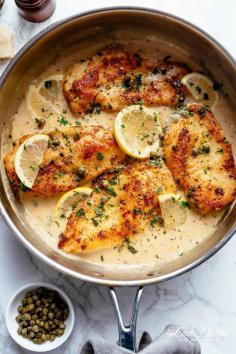
Creamy Lemon Parmesan Chicken

Thumb

0 repins 0 comments

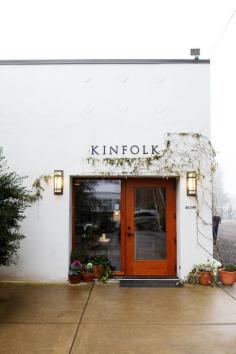
kinfolk. via blueberrylake.tum...

Thumb

0 repins 0 comments

Over 50 4th of July Ideas - including patriotic recipes and red, white and blue craft ideas! |The Love Nerds

Thumb

0 repins 0 comments

You know what I love about salads? I love how you can add in funky ingredients and the flavor combination is an unexpected surprise. You can't go wrong with a classic wedge salad, but...have you ev...

Thumb

0 repins 0 comments

Banana Stuffed French Toast - Cooking Classy... My favorite breakfast food ever!!

Thumb

0 repins 0 comments

Strawberry Layer Cake

Thumb

0 repins 0 comments

One dozen macarons (Superfruit Mysteries)

Thumb

0 repins 0 comments

DIAMANT BOUTIQUE HOTEL CANBERRA -

Thumb

0 repins 0 comments

Thumb

0 repins 0 comments

Academic discussions of ethnic food have tended to focus on the attitudes of consumers, rather than the creators and producers. In this ground-breaking new book, Krishnendu Ray reverses this trend by exploring the culinary world from the perspective of the ethnic restaurateur. Focusing on New York City, he examines the lived experience, work, memories, and aspirations of immigrants working in the food industry. He shows how migrants become established in new places, creating a taste of home and playing a key role in influencing food cultures as a result of transactions between producers, consumers and commentators. Based on extensive interviews with immigrant restaurateurs and students, chefs and alumni at the Culinary Institute of America, ethnographic observation at immigrant eateries and haute institutional kitchens as well as historical sources such as the US census, newspaper coverage of restaurants, reviews, menus, recipes, and guidebooks, Ray reveals changing tastes in a major American city between the late 19th and through the 20th century. Written by one of the most outstanding scholars in the field, The Ethnic Restaurateur is an essential read for students and academics in food studies, culinary arts, sociology, urban studies and indeed anyone interested in popular culture and cooking in the United States.

Thumb

0 repins 0 comments

One of my FAVORITE summer dishes! Tomato, cucumber, avocado salad. So colorful, flavorful and easy too !

Thumb

0 repins 0 comments

Asian Toasted Sesame Asparagus dineanddish.net

Thumb

0 repins 0 comments

This collection presents, for the first time, a much-needed synthesis of the major research themes and findings that characterize the Woodland Period in the southeastern United States. The Woodland Period (ca. 1200 B.C. to A.D. 1000) has been the subject of a great deal of archaeological research over the past 25 years. Researchers have learned that in this approximately 2000-year era the peoples of the Southeast experienced increasing sedentism, population growth, and organizational complexity. At the beginning of the period, people are assumed to have been living in small groups, loosely bound by collective burial rituals. But by the first millennium A.D, some parts of the region had densely packed civic ceremonial centers ruled by hereditary elites. Maize was now the primary food crop. Perhaps most importantly, the ancient animal-focused and hunting-based religion and cosmology were being replaced by solar and warfare iconography, consistent with societies dependent on agriculture, and whose elites were increasingly in competition with one another. This volume synthesizes the research on what happened during this era and how these changes came about while analyzing the period's archaeological record. In gathering the latest research available on the Woodland Period, the editors have included contributions from the full range of specialists working in the field, highlighted major themes, and directed readers to the proper primary sources. Of interest to archaeologists and anthropologists, both professional and amateur, this will be a valuable reference work essential to understanding the Woodland Period in the Southeast.

Thumb

0 repins 0 comments

Casa Delpin by Nataniel Fúster | www.yellowtrace.c...

Thumb

0 repins 0 comments

Next Page